Opening the week
Readings: Luke 1:57–68; 2 Thessalonians 1:5–12; Isaiah 5:1–7
A new week begins with three scenes of arrival and answer. Luke 1:57-68 brings neighbors rejoicing at a birth and Zechariah’s tongue released in praise. 2 Thessalonians 1:5-12 holds relief for the oppressed beside the Lord’s coming in blazing fire. Isaiah 5:1-7 asks why a vineyard given every care yields sour fruit. Together, they ask what in us must turn toward the King’s way.
In Luke, the neighbors hear of the Lord’s mercy and rejoice. Then the child’s name becomes a point of decision: Zechariah writes that he is John, and his speech returns in blessing. The gathered people are amazed and wonder what the child will become. Their wonder is fitting, but the scene moves beyond amazement to praise of the God who has visited and redeemed his people. The King’s coming stirs gladness; it also calls forth a response.
Isaiah’s vineyard makes that response harder to evade. The beloved has cleared stones, planted choice vines, built a watchtower, and prepared a winepress. He looked for good grapes and found sour fruit: bloodshed instead of justice, distress instead of righteousness. John Chrysostom writes in Homilies on Matthew, “God has provided countless ways for us to be saved, if we are willing to pay attention.” Isaiah’s song demands that attention: the vineyard’s failure is not a vague flaw but harm done where justice should have grown. Repentance must reach what our lives produce for our neighbors.
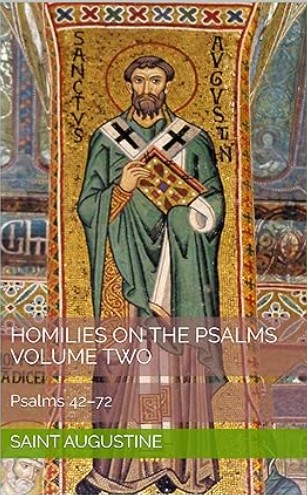
Paul’s words hold another sharp edge. The Lord’s appearing brings relief to those who suffer oppression and judgment on those who afflict them and refuse the gospel. Augustine, comparing the confession of Peter with that of the demons, writes in Homilies on the Psalms, “I hear a similar confession, but I do not find a similar love. Even here I find love, there fear.” The distinction presses beyond words of recognition. When the Lord is revealed, what our lives love will matter. His coming is comfort to the afflicted and terror to those who persist in evil.
These readings do not let us separate the joy of God’s mercy from the judgment of sour fruit. The neighbors rejoice, Zechariah blesses, the vineyard faces desolation, and the oppressed await relief. The days ahead will teach us to learn the Lord’s way, repent of what harms our neighbor, humble ourselves before his judgment, trust his promise of relief, and endure. When you imagine the Lord inspecting the vineyard of your life, what fruit do you fear he will find?
Works Cited

A language model (gpt-6-luna) wrote this prose in repeated rounds with human review and direction, from passages found in Appian Way Press's editions of early Christian writings. Rick Brannan then reviewed it. Bible text: Berean Standard Bible. How this devotional was made, and how you may share it.