Opening the week
Readings: Isaiah 42:1–12; John 3:16–21; Genesis 3:8–15
A new week begins with promises whose reach exceeds what those who first hear them can see. In Genesis 3:8–15, the man and woman hide from God’s voice, and a word about the woman’s offspring enters a scene of blame and judgment. Isaiah 42:1–12 shows God’s servant bringing justice with care for the bruised and faint. In John 3:16–21, God gives the Son as light and life, while some choose darkness rather than exposure.
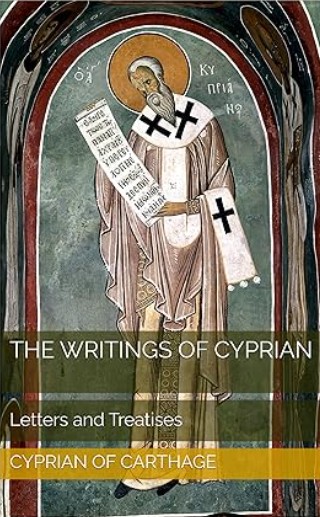
In the garden, fear sends the man behind the trees. When God calls, he answers, but his words turn toward accusation: the woman gave him the fruit. The woman points to the serpent. Their hiding does not stop God from speaking or asking what has happened. The judgment is real, and so is the promise spoken against the serpent. Cyprian reads that promise toward Christ. In The Treatises of Cyprian, he writes, “This seed God had foretold would come from the woman and would crush the head of the devil.” The promise begins in a garden where people have broken trust and shift blame. Its reach is larger than the moment, though those who hear it cannot yet see how it will be fulfilled.
Isaiah’s servant comes with a different manner of speech: he does not shout in the streets, and he does not break what is already bruised. His gentleness belongs to his work of establishing justice; it does not shrink the work or soften its reach. God appoints him as a light to the nations, and the islands hope in his instruction. John’s Gospel names the light as God’s gift to the world. The giver’s purpose is salvation, yet the light also reveals what people do. A person may fear that exposure and still be met by the one who comes to save.
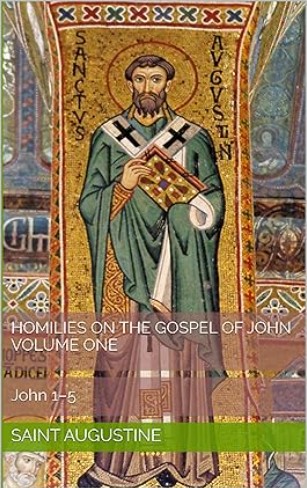
Augustine writes of the one who comes into the light, “So he comes to the light, and he is grateful to it for showing him what he should hate in himself.” Then he urges, “Let it be before your own eyes what you do not want to be before God.” In Homilies on the Gospel of John, Augustine directs the reader toward honest repentance. The light exposes sin, and seeing it can become the beginning of turning toward God. John’s words hold both truths together: the Son is given in love, and people may love darkness because they fear what the light will uncover.
The days ahead will bring testimony to the promise, a consent offered without sight of the whole future, and recognition of God’s work where it first appears small. They will also ask how we receive a gift and how we wait when fulfillment remains beyond view. The garden’s hiding and the Gospel’s darkness show the pull to retreat; Isaiah’s servant shows the character of the one who comes to meet a wounded world. Where are you inclined to hide when God calls you into the light?
Works Cited
A language model (gpt-6-luna) wrote this prose in repeated rounds with human review and direction, from passages found in Appian Way Press's editions of early Christian writings. Rick Brannan then reviewed it. Bible text: Berean Standard Bible. How this devotional was made, and how you may share it.