Friday, 4 December
Advent Week One: Keeping Watch in Hope
Morning
Luke 20:41–21:4 Berean Standard Bible
41Then Jesus declared, “How can it be said that the Christ is the Son of David? 42For David himself says in the book of Psalms:
‘The Lord said to my Lord,
“Sit at My right hand
43until I make Your enemies
a footstool for Your feet.”’
44Thus David calls Him ‘Lord.’ So how can He be David’s son?”
45In the hearing of all the people, Jesus said to His disciples, 46“Beware of the scribes. They like to walk around in long robes, and they love the greetings in the marketplaces, the chief seats in the synagogues, and the places of honor at banquets. 47They defraud widows of their houses, and for a show make lengthy prayers. These men will receive greater condemnation.”
21:1Then Jesus looked up and saw the rich putting their gifts into the treasury, 2and He saw a poor widow put in two small copper coins.
3“Truly I tell you,” He said, “this poor widow has put in more than all the others. 4For they all contributed out of their surplus, but she out of her poverty has put in all she had to live on.”
Jesus asks how the Christ can be David’s son when David calls him Lord (Luke 20:41-44). The promised king is greater than the family line that names him: he sits at God’s right hand while his enemies remain beneath his feet. Then Jesus turns to the people and warns them about scribes who seek honor, make long prayers for show, and devour widows’ houses (Luke 20:45-47). The question of who this king is follows us to the treasury. What does he see when people give?
Jesus looks up. He sees the rich placing gifts in the treasury, then a poor widow putting in two small coins (Luke 21:1-4). He sees the difference between what they give from abundance and what she gives from poverty: all she has to live on. The scene places her gift beside his warning about leaders who consume widows’ resources. Her generosity is plain, and so is the cost. Jesus sees both. His praise does not blur the warning; it makes the contrast harder to ignore.
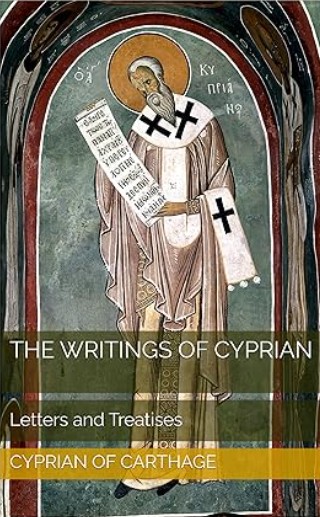
Cyprian of Carthage calls her “a blessed and glorious woman, who even before the day of judgment has earned praise from the voice of the Judge!” He hears Jesus’ words as praise for a woman rich in good works, though poor in money. That praise directs our attention to the one who judges the gift. The widow is not overlooked because her coins are small or her place in the crowd is low. Yet the leaders Jesus condemns remain in the same scene. Her faithfulness cannot turn their exploitation into a good work.
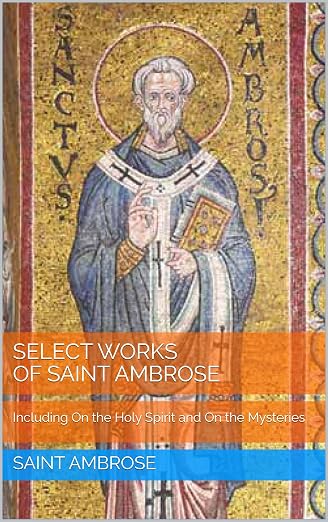
Ambrose writes, “God doesn’t ask for money; He asks for faith.” His words keep the widow’s gift from becoming a measure others can use to demand someone’s last dollar. Jesus praises what she gives; he has also exposed leaders who use religion to take from the vulnerable. Faithful giving must be seen alongside that accusation. As you move through this morning, look closely at who pays when religious appearances are maintained. The one who sees the widow’s two coins is David’s Lord, seated at God’s right hand; he sees the giver, and he sees the hands that take.
Evening
Jude 1–16 Berean Standard Bible
1Jude, a servant of Jesus Christ and a brother of James,
To those who are called, loved by God the Father, and kept in Jesus Christ:
2Mercy, peace, and love be multiplied to you.
3Beloved, although I made every effort to write to you about the salvation we share, I felt it necessary to write and urge you to contend earnestly for the faith entrusted once for all to the saints. 4For certain men have crept in among you unnoticed — ungodly ones who were designated long ago for condemnation. They turn the grace of our God into a license for immorality, and they deny our only Master and Lord, Jesus Christ.
5Although you are fully aware of this, I want to remind you that after Jesus had delivered His people out of the land of Egypt, He destroyed those who did not believe. 6And the angels who did not stay within their own domain but abandoned their proper dwelling— these He has kept in eternal chains under darkness, bound for judgment on that great day. 7In like manner, Sodom and Gomorrah and the cities around them, who indulged in sexual immorality and pursued strange flesh, are on display as an example of those who sustain the punishment of eternal fire.
8Yet in the same way these dreamers defile their bodies, reject authority, and slander glorious beings. 9But even the archangel Michael, when he disputed with the devil over the body of Moses, did not presume to bring a slanderous charge against him, but said, “The Lord rebuke you!” 10These men, however, slander what they do not understand, and like irrational animals, they will be destroyed by the things they do instinctively. 11Woe to them! They have traveled the path of Cain; they have rushed for profit into the error of Balaam; they have perished in Korah’s rebellion.
12These men are hidden reefs in your love feasts, shamelessly feasting with you but shepherding only themselves. They are clouds without water, carried along by the wind; fruitless trees in autumn, twice dead after being uprooted. 13They are wild waves of the sea, foaming up their own shame; wandering stars, for whom blackest darkness has been reserved forever.
14Enoch, the seventh from Adam, also prophesied about them:
“Behold, the Lord is coming
with myriads of His holy ones
15to execute judgment on everyone,
and to convict all the ungodly
of every ungodly act of wickedness
and every harsh word spoken against Him by ungodly sinners.”
16These men are discontented grumblers, following after their own lusts; their mouths spew arrogance; they flatter others for their own advantage.
At evening, Jude’s letter moves sharply from the shared salvation he longs to describe to a danger already inside the community. He calls his readers beloved, then urges them to contend for the faith entrusted to them. The threat has slipped in unnoticed. Its claim sounds generous: grace, they say by their lives, can excuse whatever desire demands. Jude asks us to look past the claim and watch what it produces.
He answers with a severe reminder. God delivered a people from Egypt, yet destroyed those who refused to believe; angels who abandoned their place are held for judgment; Sodom and Gomorrah remain an example of punishment. Jude sets these histories beside the present intruders. Grace cannot be used to erase the danger of rejecting the Lord. Waiting for Christ does not turn judgment into a distant abstraction; Jude says the day is appointed, and the warning belongs to the church now.
Then Jude gives the teaching a visible form. The intruders feast with the community, yet tend only themselves. They are clouds carried by wind, trees without fruit, waves casting up their own shame. These images expose the gap between a promise and its yield. A cloud can cross the sky and still bring no rain to thirsty ground. A confident religious claim can sound like life while leaving people hungry for truth, love, and faithful care.
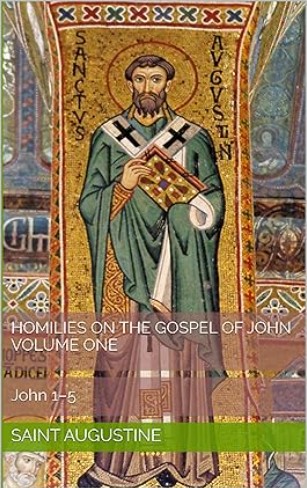
Augustine writes, “The wicked person has what you have. Have humility, love, and peace. Have the good thing you do not yet have, so that the good thing you do have may help you.” He is speaking of people who share baptism, and his warning cuts through the comfort of belonging. Shared words and practices cannot certify the life growing among us. Jude’s test is painfully concrete: do people seek their own advantage, or do they care for the community entrusted to them? Augustine’s call to humility, love, and peace points toward fruit that can be seen in how a person treats others.
Jude ends this section with grumbling, appetite, arrogance, and flattery for advantage, then sets those lives under the coming judgment. The image of empty clouds remains: they promise refreshment, but leave the ground dry. Let the judgment stand as Jude gives it. As you look back on this day, which comfortable claim about your faith would you rather leave untested by the life it is growing?
Works Cited
A language model (gpt-6-luna) wrote this prose in repeated rounds with human review and direction, from passages found in Appian Way Press's editions of early Christian writings. Rick Brannan then reviewed it. Bible text: Berean Standard Bible. How this devotional was made, and how you may share it.