Opening the week
Readings: Matthew 25:1–13; 1 Thessalonians 5:1–11; Isaiah 1:1–9
A new week begins with the strain of waiting: in Matthew 25:1-13, the bridegroom is delayed and all ten attendants grow drowsy; in 1 Thessalonians 5:1-11, the day arrives suddenly while people speak of peace; in Isaiah 1:1-9, God’s own children have lost the knowledge of their Lord. Together, these readings ask what it means to stay ready when the wait stretches on and even familiar signs fail to wake us.
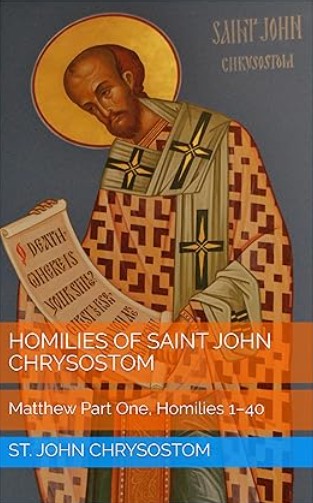
In Jesus’ parable, sleep does not separate the wise from the foolish. All ten fall asleep. The difference appears when the cry comes: some have prepared for the delay, while others discover too late that they cannot borrow another’s readiness. The closed door and the bridegroom’s words are severe. John Chrysostom presses the warning of the unknown hour: “Do you see how He keeps repeating this, emphasizing how terrible our ignorance is about the time of our departure?” In Homilies on Matthew, he connects the parable’s urgency with the fact that no one can schedule the moment of departure. Readiness, then, is formed before the midnight cry. It is more than keeping the body awake or living in a state of alarm.
Isaiah shows how deeply a person can sleep while standing among the things of God. The Lord calls Israel his children, yet they rebel; even an ox knows its owner, while God’s people do not know him. Clement of Alexandria describes the awakening of idol worshipers in Exhortation to the Greeks: “Just as those weighed down by wine and drunkenness recover, wake up, and after seeing a little, understand what the worshiped stones want from you, and how you waste your effort in vain over matter.” Clement addresses people devoted to idols; Isaiah’s accusation falls on God’s own people. The resemblance is sobering: habit can blunt recognition. A person may know the language of faith and still give trust to what cannot give life.
Paul’s words in 1 Thessalonians 5 sharpen the difference between sleep and watchfulness. The day comes like a thief to those settled in their assurance of peace, but Paul calls the church to live as people of the day: sober, clothed in faith, love, and hope. Matthew’s attendants remind us that watchfulness cannot mean sleepless tension; Paul shows its shape in a life grounded in Christ and lived with others. His charge to encourage and build one another up turns waiting outward. A person who stays awake to God also notices when someone nearby is losing heart.
Across this week, waiting will involve turning from false securities, learning to recognize Christ, loving people under strain, testing what claims to be faithful, and grieving with hope. The bridegroom’s delay exposes what we rely on; the sudden day exposes what we assumed; Isaiah’s rebuke exposes how easily God’s children can forget their Lord. Watching means letting those truths wake us and then living by faith, love, and hope while the night continues. What has most dulled your attention to God lately?
Works Cited

A language model (gpt-6-luna) wrote this prose in repeated rounds with human review and direction, from passages found in Appian Way Press's editions of early Christian writings. Rick Brannan then reviewed it. Bible text: Berean Standard Bible. How this devotional was made, and how you may share it.