Saint Augustine's Anti-Pelagian Writings
Books in this Series (2)
-
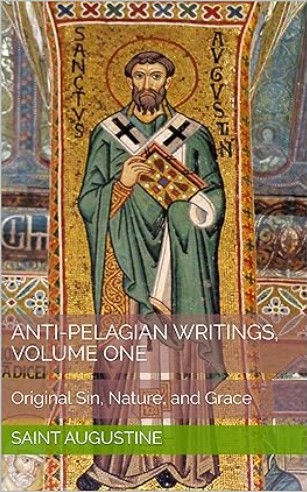
Anti-Pelagian Writings, Volume One: Original Sin, Nature, and Grace
When Pelagius began teaching that human beings possess the natural ability to live righteously without the special grace of God, his ideas quickly sparked debate across the Christian world. Augustine of Hippo emerged as the most important theological voice responding to these claims, arguing that the Pelagian view underestimated the depth of human sin and misunderstood the necessity of divine grace. The treatises collected in this volume represent the early stage of Augustine’s response to Pelagian teaching. In them, he develops arguments that would become foundational for Western Christian theology: that humanity shares in the fallen condition of Adam, that the law cannot produce righteousness apart from the Spirit, and that salvation depends entirely on the grace of God given through Jesus Christ. This revision was prepared through an AI-assisted process, combining digital tools with traditional editorial work.
-

Anti-Pelagian Writings, Volume Two: Grace, Free Will, and Predestination
By the time these works were written, the Pelagian controversy had moved beyond its earliest debates. Augustine had already defended the reality of original sin and the necessity of divine grace. Now new questions pressed in from every side. If grace is necessary for salvation, what role remains for human choice? Why do some believe while others do not? And why do some who begin the Christian life fall away while others persevere to the end? In these later anti-Pelagian writings, Augustine confronts those questions directly. On Marriage and Concupiscence addresses the relationship between the goodness of marriage and the fallen condition of human desire. A Treatise on the Soul and its Origin explores difficult questions about human nature and the transmission of sin. A Treatise against Two Letters of the Pelagians answers critics who sought to dismantle Augustine’s theology of grace. The remaining works present Augustine’s mature reflection on grace and salvation. In A Treatise on Grace and Free Will and A Treatise on Rebuke and Grace, Augustine explains how divine grace enables rather than destroys human freedom. Finally, A Treatise on the Predestination of the Saints and A Treatise on the Gift of Perseverance examine why faith itself must be understood as a gift of God and why perseverance in the Christian life ultimately depends on divine grace. This revision was prepared through an AI-assisted process, combining digital tools with traditional editorial work.