Opening the week
Readings: John 3:22–30; Hebrews 12:18–29; Amos 9:11–15
A new week begins with three pictures of God coming close. John 3:22–30 gives us the bridegroom’s friend, joyful at his voice; Hebrews 12:18–29 sets the assembly at Zion beside the consuming fire; Amos 9:11–15 promises that God will rebuild David’s fallen tent and plant his people securely. Together they leave us wondering what his nearness will uncover, and what it can restore.
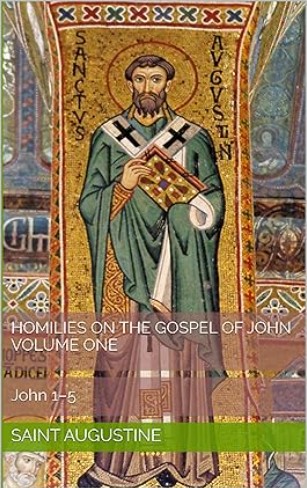
John’s disciples see the crowds going to Jesus and bring their alarm to John. He answers by remembering what has been given from heaven and what his own part has been: he was sent ahead of the Christ. Then he speaks of the friend who stands listening for the bridegroom. Augustine writes that John “gave our Lord Jesus Christ such great testimony that he called him the Bridegroom and called himself the Bridegroom’s friend—though not even worthy to loosen the strap of the Bridegroom’s sandal” in Homilies on the Gospel of John. John’s joy is complete because he hears the bridegroom’s voice. The crowds’ change of direction is no defeat for him; the one he came to announce is here. Nearness, in this scene, is something to recognize and rejoice in.
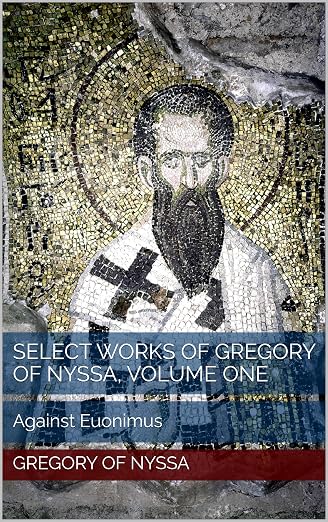
Hebrews brings another sound: the voice that shakes earth and heaven. Those who come to Zion enter a joyful assembly, and they come to God the Judge, to Jesus the mediator, and to blood that speaks a better word. Joy and awe stand together. The warning is severe: see that you do not refuse the one who speaks. Gregory of Nyssa writes in Against Eunomius, “This is the mystery of the Lord according to the flesh: the unchanging God entered into what is changeable, so that by improving and transforming it, He might remove the evil mixed with our mutable nature, destroying that evil in Himself.” He connects the consuming fire with God’s removal of wickedness. That nearness brings comfort, and it searches and judges; the passage calls for worship with reverence and awe.
Amos shows what God’s presence promises after ruin. The fallen tent is repaired, the ruined cities are rebuilt, and people plant vineyards and eat their fruit. The harvest comes so abundantly that one worker overtakes another. God’s promise reaches cities, fields, vineyards, and the people who will live among them. He says he will firmly plant his people in their land. The very places that lie in ruins are the ones God says he will build again.
These readings hold together the joy of hearing the bridegroom, the fear of standing before the living God, and the hope of life rebuilt. The friend recognizes the voice; Hebrews warns its hearers to listen; Amos gives the scattered people a future to long for. As the week opens, attend to what draws your attention toward God: a promise you are searching to understand, a word that exposes you, or a glimpse of repair. When you imagine God coming close, what do you hope he will restore, and what are you afraid he will expose?
Works Cited
A language model (gpt-6-luna) wrote this prose in repeated rounds with human review and direction, from passages found in Appian Way Press's editions of early Christian writings. Rick Brannan then reviewed it. Bible text: Berean Standard Bible. How this devotional was made, and how you may share it.