Friday, 11 December
Advent Week Two: Make a Way for the Coming King
Morning
Isaiah 7:10–25 Berean Standard Bible
10Again the LORD spoke to Ahaz, saying, 11“Ask for a sign from the LORD your God, whether from the depths of Sheol or the heights of heaven.”
12But Ahaz replied, “I will not ask; I will not test the LORD.”
13Then Isaiah said, “Hear now, O house of David! Is it not enough to try the patience of men? Will you try the patience of my God as well? 14Therefore the Lord Himself will give you a sign: Behold, the virgin will be with child and give birth to a son, and will call Him Immanuel. 15By the time He knows enough to reject evil and choose good, He will be eating curds and honey. 16For before the boy knows enough to reject evil and choose good, the land of the two kings you dread will be laid waste.
17The LORD will bring on you and on your people and on the house of your father a time unlike any since the day Ephraim separated from Judah— He will bring the king of Assyria.”
18On that day the LORD will whistle to the flies at the farthest streams of the Nile and to the bees in the land of Assyria.
19And they will all come and settle
in the steep ravines and clefts of the rocks,
in all the thornbushes and watering holes.
20On that day the Lord will use a razor hired from beyond the Euphrates— the king of Assyria— to shave your head and the hair of your legs, and to remove your beard as well. 21On that day a man will raise a young cow and two sheep, 22and from the abundance of milk they give, he will eat curds; for all who remain in the land will eat curds and honey.
23And on that day, in every place that had a thousand vines worth a thousand shekels of silver, only briers and thorns will be found. 24Men will go there with bow and arrow, for the land will be covered with briers and thorns. 25For fear of the briers and thorns, you will no longer traverse the hills once tilled by the hoe; they will become places for oxen to graze and sheep to trample.
Isaiah 7:10-25 opens with a king under pressure. Two kings threaten Judah, and the LORD offers Ahaz a sign from the depths or the heights. Ahaz declines with the language of reverence: he will not test the LORD. Isaiah hears something else in the refusal. The king’s pious words have wearied people, and now they try God’s patience. The sign comes anyway, spoken to the house of David and set within the danger Ahaz faces.
A child will be born and called Immanuel. Before he can choose good and reject evil, the land of the two kings Ahaz fears will lie waste. The child’s early years become a measure of time: the threat will pass before he grows up. Yet the prophecy turns sharply. The LORD will bring Assyria against Ahaz and his people. Flies and bees swarm the land; a hired razor strips the king; vineyards become thorns. The sign holds a promise and a judgment together.
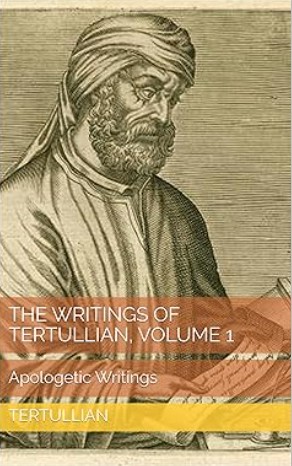
Tertullian reads Immanuel as a name that declares God’s presence. He writes, “The meaning of Emmanuel—“God with us”—is given so that you understand not just the sound of the name, but its meaning.” In Isaiah’s scene, that name is spoken over a threatened land, not a sheltered one. God’s presence does not spare Judah from the consequences of Ahaz’s choices. The name gives the king something truer to trust than his calculations about which power might keep him safe.
That is why the stripped land matters. Curds and honey remain, yet the abundance has vanished; briers cover the vineyards, and people carry bows where they once worked the hills. The child’s name and the ruined fields belong to the same oracle. Immanuel is not a prediction that fear will be painless. The promise stands while judgment advances, and Ahaz must decide what will govern him.
Fear still presses people toward quick, protective answers. When a tense message arrives at work, you may feel the urge to shift blame or hide a mistake before anyone can accuse you. Isaiah’s sign gives you another measure for that choice: the child’s name, God with us, spoken amid real danger. Let that promise govern one reply today. Tell the truth plainly, even if fear insists that a defensive answer would be safer.
Evening
2 Thessalonians 2:13–3:5 Berean Standard Bible
13But we should always thank God for you, brothers who are loved by the Lord, because God chose you from the beginning to be saved by the sanctification of the Spirit and by faith in the truth. 14To this He called you through our gospel, so that you may share in the glory of our Lord Jesus Christ. 15Therefore, brothers, stand firm and cling to the traditions we taught you, whether by speech or by letter.
16Now may our Lord Jesus Christ Himself and God our Father, who by grace has loved us and given us eternal comfort and good hope, 17encourage your hearts and strengthen you in every good word and deed.
3:1Finally, brothers, pray for us, that the word of the Lord may spread quickly and be held in honor, just as it was with you. 2And pray that we may be delivered from wicked and evil men; for not everyone holds to the faith. 3But the Lord is faithful, and He will strengthen you and guard you from the evil one. 4And we have confidence in the Lord that you are doing and will continue to do what we command. 5May the Lord direct your hearts into God’s love and Christ’s perseverance.
At the end of the day, Paul’s words hold two truths together: these believers are loved by the Lord and chosen for salvation, and they still need to stand firm. God called them through the gospel toward the glory of Christ; now Paul asks God to encourage their hearts and strengthen them in every good word and deed (2 Thessalonians 2:13-17). Being loved does not leave them untouched by weakness. They need strength for the waiting.
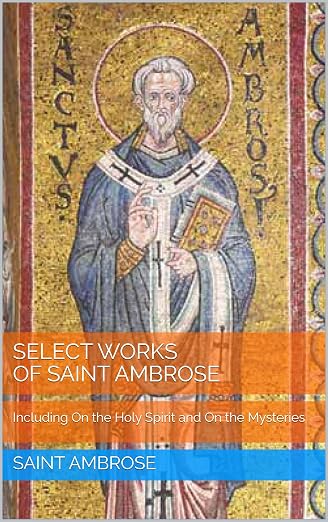
Ambrose writes, “The Apostle also teaches that the Holy Spirit sanctifies.” Paul names the Spirit’s work as part of God’s saving call. That shifts the evening’s accounting: steadfastness is not a prize for those who have managed the day perfectly. The Spirit sanctifies; the Lord strengthens. Where your words or actions fell short today, bring that failure into the light of God’s work in you. Where you spoke truth or did good, give thanks for the strength that carried you.
Paul’s prayer asks for comfort and good hope, then for strengthened hearts. The need is real because opposition is real: he asks the Thessalonians to pray for deliverance from wicked and evil people, since faith is not held by everyone (2 Thessalonians 3:1-2). The gospel’s path through the world meets refusal and danger. Paul does not conceal that cost, and he does not ask the church to answer it with bravado. He asks them to pray.
His request also turns their attention outward. The word of the Lord spread among them; now Paul asks that it spread quickly and be honored elsewhere. A person carrying that word may be under strain tonight: a pastor facing hostility, a friend trying to speak faithfully, or someone serving far from home. Their need belongs in the prayers of people who have received the gospel. The church stands firm together, asking God to protect those who carry the message.
Paul rests his assurance on the Lord’s faithfulness: the Lord will strengthen and guard them from the evil one, and direct their hearts into God’s love and Christ’s perseverance (2 Thessalonians 3:3-5). That promise meets the night without erasing the danger. Let your last prayer be for someone who must speak the word tomorrow: ask the faithful Lord to guard and strengthen them, and to help them stand.
Works Cited
A language model (gpt-6-luna) wrote this prose in repeated rounds with human review and direction, from passages found in Appian Way Press's editions of early Christian writings. Rick Brannan then reviewed it. Bible text: Berean Standard Bible. How this devotional was made, and how you may share it.